Walking into a salon should feel like an experience, not just an appointment. The right salon interior design does more than look good in photos — it shapes how long clients stay, how much they spend, and whether they come back. If you're planning a new salon or renovating an existing one, the layout, colors, lighting, and furniture you choose will directly affect your bottom line.
This guide covers everything you need to know about salon interior design ideas, from layout planning to budgeting, so you can build a space that's both beautiful and profitable.
What Is Salon Interior Design and Why Does It Matter?
Salon interior design is the strategic planning of a salon's physical space — layout, furniture, lighting, color, and decor — to create a functional and appealing environment for both clients and staff. It's not just decoration; it's a business tool.
A well-designed salon interior influences how clients perceive your brand before a single service is performed. Studies on retail environments consistently show that ambiance affects purchase behavior, and salons are no exception. Clients associate a clean, thoughtfully designed space with skill and professionalism.
How Salon Design Affects Client Retention and Word-of-Mouth
Clients remember how a space made them feel. A salon with comfortable seating, pleasant lighting, and a calming color palette encourages longer visits and repeat bookings. Poor design — cramped stations, harsh lighting, cluttered counters — creates subconscious discomfort that drives clients elsewhere, even if the service itself was excellent.
Word-of-mouth referrals and social media shares also depend heavily on visual appeal. A photogenic salon interior turns ordinary clients into free marketers every time they post a selfie in your chair.
The Link Between Interior Design and Pricing Power
Salons with elevated, well-designed interiors can command premium pricing. Clients are willing to pay more for services delivered in a space that feels luxurious, clean, and considered. This is why high-end salons invest heavily in materials, lighting, and furniture — the design itself becomes part of the service being sold.
Common Mistakes Salon Owners Make With Layout and Design
-
Overcrowding stations to fit more chairs, sacrificing comfort and workflow
-
Ignoring traffic flow, causing bottlenecks near reception or the wash area
-
Choosing trendy decor over durable, practical materials
-
Underinvesting in lighting, leading to unflattering results and client complaints
-
Neglecting storage, resulting in visible clutter that undermines a polished look
Planning Your Salon Layout for Maximum Profitability
Your salon floor plan is the foundation of everything else. A smart layout maximizes the number of clients you can serve comfortably while minimizing wasted space and staff movement.
Zoning Your Salon: Reception, Styling Stations, Wash Area, Retail, Break Room
Divide your salon into clear functional zones:
|
Zone |
Purpose |
Design Priority |
|
Reception |
First impression, check-in, waiting |
Welcoming, on-brand, comfortable seating |
|
Styling stations |
Core service delivery |
Adequate space, good lighting, storage |
|
Wash/shampoo area |
Hair washing, treatments |
Plumbing efficiency, comfort, privacy |
|
Retail display |
Product sales |
High visibility, near checkout/exit |
|
Break room |
Staff rest |
Functional, separate from client areas |
Clear zoning improves both the client experience and staff efficiency — two factors that directly affect profitability.
Ideal Square Footage Per Styling Chair
Industry standards generally recommend 60–80 square feet per styling station, including the chair, workstation, and walking space. Cramming stations closer than this creates discomfort for both clients and stylists, and can violate local commercial spacing codes.
Traffic Flow and How It Impacts Client Experience
Design your salon so clients move naturally from entrance to reception to service station to checkout without crossing back through busy work areas. Avoid placing the wash area or retail displays in narrow walkways where they create congestion during peak hours.
Designing for Multiple Service Types in One Space
If your salon offers hair, nails, and spa services, separate these zones acoustically and visually where possible. Sound-dampening materials, partial walls, or strategic furniture placement help each service area feel distinct without requiring a full remodel.
Salon Interior Design Ideas by Theme/Style
There's no single "correct" aesthetic for a salon — the right style depends on your brand identity and target clientele.
Modern Minimalist Salon Design
Clean lines, neutral palettes, and uncluttered surfaces define this popular salon decor idea. Minimalist design photographs well and feels timeless, making it a safe long-term investment for salons that don't want to renovate every few years.
Luxury/High-End Salon Interior Ideas
Think marble accents, statement lighting fixtures, velvet seating, and gold or brass hardware. Luxury design signals premium pricing and works well for salons positioning themselves in the high-end market.
Boho and Eclectic Salon Design
Warm woods, plants, layered textures, and eclectic art create a relaxed, artistic vibe. This style appeals to clients seeking a more personal, less clinical salon experience.
Industrial-Chic Salon Interiors
Exposed brick, black metal fixtures, and concrete floors give a trendy, urban edge. This hair salon design style is popular in city locations and appeals to younger, style-forward clients.
Budget-Friendly Salon Design Ideas for Small Spaces
You don't need a massive renovation budget to create impact. Paint, updated lighting fixtures, new mirrors, and strategic accent walls can transform a space affordably while you save for larger upgrades.
Color Schemes and Branding in Salon Interior Design
Color is one of the most powerful — and least expensive — tools in salon design.
How Color Psychology Influences Client Mood and Spending
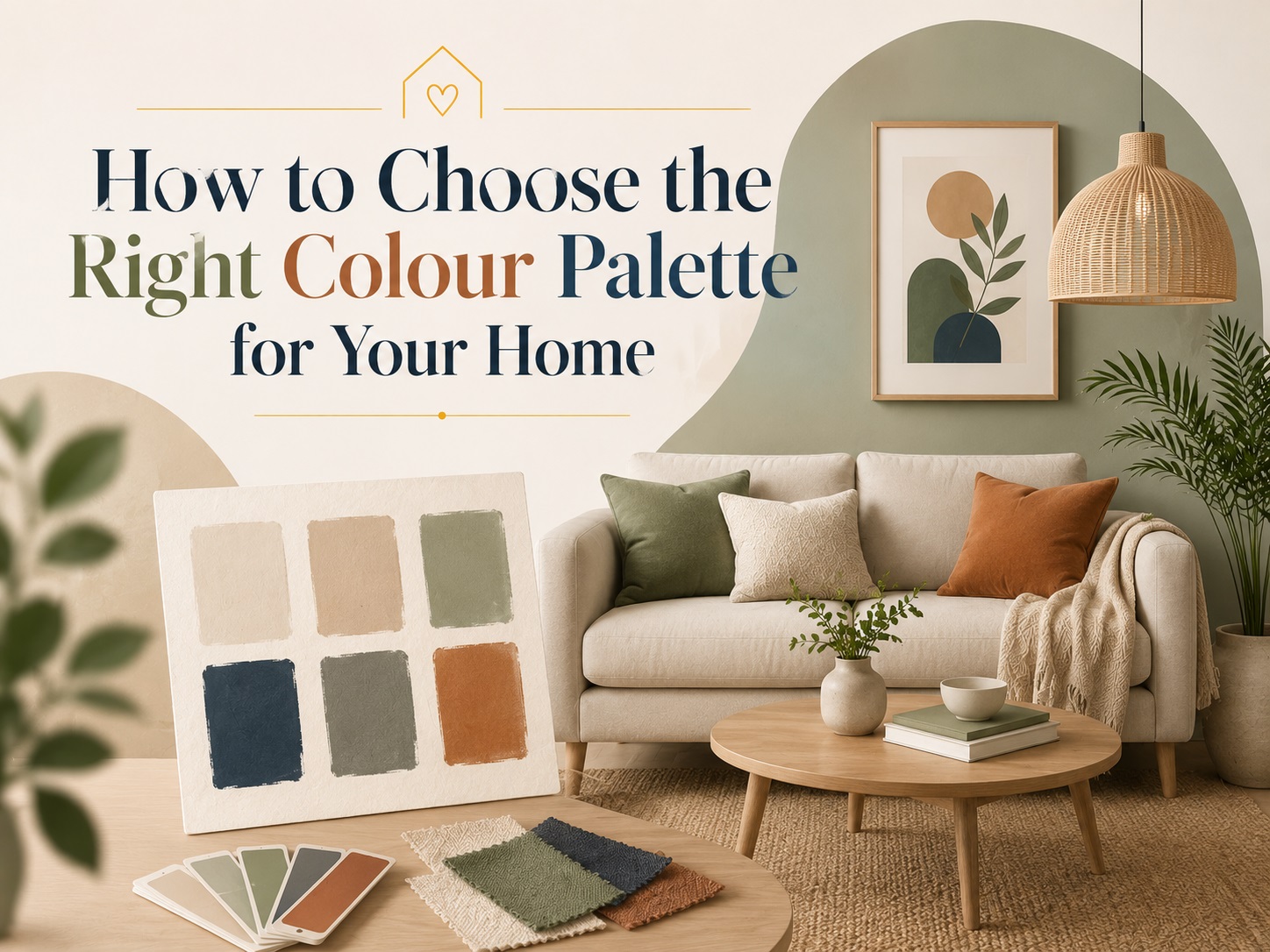
Soft blues and greens promote relaxation, ideal for spa-style salons. Warm tones like blush pink or terracotta feel welcoming and energetic. Black and gold combinations suggest luxury. Choosing colors intentionally, rather than by trend alone, helps set the emotional tone clients associate with your brand.
Choosing Colors That Reflect Your Salon's Brand Identity
Your interior color palette should align with your logo, website, and overall brand identity. Consistency across all touchpoints — digital and physical — builds recognition and trust.
Accent Walls and Statement Design Elements
A single bold accent wall, oversized mirror, or statement light fixture can anchor an entire room without the cost of a full redesign. These elements also make excellent backdrops for client photos.
Lighting Design for Salons
Lighting is arguably the most functionally important element of salon interior design ideas — poor lighting directly affects service quality.
Natural vs. Artificial Lighting
Natural light is ideal for color matching and makeup application, so position styling stations near windows where possible. When natural light isn't available, invest in daylight-balanced LED bulbs (5000K–6500K) that mimic natural conditions.
Task Lighting vs. Ambient Lighting
Combine layered lighting: ambient lighting for overall room brightness, task lighting at each station for precision work, and accent lighting to highlight design features. This layered approach avoids the flat, unflattering look of single-source overhead lighting.
Lighting for Makeup/Beauty Stations Specifically
Makeup and beauty stations require shadow-free, even lighting positioned at eye level on both sides of the mirror — overhead lighting alone creates unflattering shadows that make precision work difficult.
Furniture and Equipment Selection
Choosing Durable, Comfortable Styling Chairs
Invest in hydraulic styling chairs with easy-clean upholstery. Comfort matters for sessions lasting an hour or more, and durability reduces long-term replacement costs.
Reception Desk Design Ideas
Your reception desk sets the first impression. Choose a design that reflects your brand while remaining functional for check-in, payment processing, and retail transactions.
Waiting Area Furniture That Enhances Client Comfort
Comfortable seating, good lighting, and small touches like magazines, refreshments, or charging stations make waiting periods feel shorter and more pleasant.
Storage Solutions for Tools and Products
Built-in cabinetry, rolling carts, and drawer systems keep tools organized and out of sight, maintaining a polished look even during busy periods.
Salon Interior Design Ideas for Small Spaces
Small salons can still feel spacious and profitable with the right small salon design strategies.
Space-Saving Layout Tricks
Use wall-mounted stations instead of freestanding ones, and choose compact, multi-purpose furniture to maximize usable floor space.
Multi-Functional Furniture
Reception desks with built-in retail shelving or rolling carts that double as storage and display units help small salons do more with less square footage.
Mirrors and Visual Space Expansion Techniques
Strategically placed mirrors create the illusion of depth and brightness, making compact salons feel significantly larger than their actual footprint.
Flooring and Wall Finishes for Salons
Best Flooring Materials for High-Traffic, Wet Areas
Vinyl, porcelain tile, and sealed concrete are popular choices for salon flooring because they resist water damage, chemical spills, and heavy foot traffic while remaining easy to clean.
Wall Finishes That Are Easy to Clean and Maintain
Semi-gloss or satin paint finishes resist staining and wipe clean easily, making them more practical than matte finishes for high-touch salon walls.
Creating an Instagram-Worthy Salon Interior
Design Elements That Encourage Social Media Shares
Neon signage, statement walls, unique light fixtures, and creative mirror frames all encourage clients to snap and share photos — free marketing that extends your salon's reach organically.
Photo-Worthy Backdrops and Signage
Designate one wall or corner specifically as a "photo spot" with your logo or a striking design element. This intentional design choice increases the likelihood clients tag your salon when they post.
Budgeting for Salon Interior Design
Average Cost Breakdown of Salon Renovation/Design
|
Renovation Level |
Estimated Cost Range |
What's Included |
|
Cosmetic refresh |
Low |
Paint, lighting fixtures, decor, signage |
|
Mid-range renovation |
Moderate |
New flooring, furniture, partial layout changes |
|
Full renovation |
High |
Complete layout redesign, plumbing, custom cabinetry, premium finishes |
Costs vary significantly by location, square footage, and material quality, so get multiple quotes from local contractors before committing to a budget.
Where to Splurge vs. Where to Save
Splurge on: lighting, flooring, and styling chairs — these affect daily function and durability. Save on: decorative accents, artwork, and easily-swappable accessories that can be updated affordably as trends change.
DIY vs. Hiring a Professional Interior Designer
DIY design works for small cosmetic updates like paint and decor. For layout planning, plumbing changes, or full renovations, hiring a professional interior designer familiar with commercial salon codes is worth the investment to avoid costly mistakes.
How Salon Interior Design Impacts Profitability
Design Elements That Increase Average Ticket Size
A polished, premium environment justifies premium pricing. Clients are more likely to add on services or upgrade treatments when the space itself feels worth the investment.
Retail Display Placement to Boost Product Sales
Position retail shelving near checkout and high-traffic pathways, at eye level, with clear signage. Thoughtful salon decor ideas around product displays can meaningfully increase retail revenue.
Creating an Experience Clients Are Willing to Pay More For
Small touches — a signature scent, curated music, quality refreshments — combine with strong visual design to create a memorable client experience that supports premium pricing and loyalty.
Sustainable and Eco-Friendly Salon Design Ideas
Eco-Friendly Materials and Finishes
Low-VOC paints, reclaimed wood, and recycled materials reduce environmental impact while often adding unique visual character to your salon interior.
Energy-Efficient Lighting and Equipment
LED lighting and Energy Star-rated equipment lower utility costs over time while supporting sustainability efforts that increasingly matter to eco-conscious clients.
Frequently Asked Questions
How much does it cost to design a salon interior?
Costs vary widely based on renovation scope, ranging from a modest budget for cosmetic updates to a much larger investment for full renovations. Location, square footage, and material quality are the biggest cost drivers. Get multiple local quotes for accuracy.
What is the best layout for a small salon?
The best layout for a small salon uses wall-mounted stations, multi-functional furniture, and strategic mirror placement to maximize perceived space. Clear zoning between reception, styling, and retail areas keeps the flow efficient despite limited square footage.
How do I make my salon look more luxurious?
Add statement lighting, high-quality materials like marble or velvet, a cohesive color palette, and premium finishing details like gold or brass hardware. Consistent branding and clutter-free surfaces also strongly contribute to a luxurious feel.
What colors are best for a salon interior?
Soft blues and greens suit relaxation-focused salons, while warm tones like blush and terracotta feel welcoming. Black and gold combinations signal luxury. The best choice always aligns with your specific brand identity and target clientele.
How many square feet do I need per salon chair?
Most salons need 60–80 square feet per styling station, including the chair, workstation, and walking space. This ensures comfort for clients and efficient movement for stylists throughout the day.
What lighting is best for a hair salon?
Layered lighting works best: daylight-balanced LED ambient lighting, dedicated task lighting at each station, and accent lighting for design features. Natural light near stations is ideal for accurate color work.
How can I design a salon on a budget?
Focus on paint, lighting fixtures, and decor updates rather than structural changes. A single accent wall, new mirrors, and updated signage can transform a space significantly without a full renovation budget.
What flooring is best for a salon?
Vinyl, porcelain tile, and sealed concrete are top choices for salon flooring. These materials resist water damage, chemical spills, and heavy foot traffic while remaining easy to clean and maintain long-term.
How do I make my salon Instagram-worthy?
Create a dedicated photo spot with a statement wall, unique lighting, or branded signage. Neon signs, creative mirror frames, and cohesive color schemes also encourage clients to photograph and share your space.
Should I hire an interior designer for my salon?
For small cosmetic updates, DIY works fine. For layout changes, plumbing work, or full renovations, hiring a professional familiar with commercial salon codes helps avoid costly mistakes and ensures a functional, profitable design.
Conclusion: Bringing Your Salon Interior Design Vision to Life
Great salon interior design isn't just about aesthetics — it's a direct investment in client experience, retention, and revenue. From smart layout zoning and layered lighting to strategic color choices and budget-conscious upgrades, every design decision shapes how clients perceive and pay for your services.
Whether you're planning a full renovation or a budget-friendly refresh, start with the fundamentals: efficient layout, comfortable furniture, thoughtful lighting, and a color palette aligned with your brand. Get these right, and your salon interior becomes one of your most powerful — and profitable — business assets.